


Epoxy
The thermal curing of an epoxy resin with a dianhydride dates to the 1960s. BTDA, PMDA and maleic anhydride were just getting established at that time.
An epoxy is a thermosetting polymer that, when formulated correctly, can offer exceptional thermal resistance and dielectric behavior. “Epoxy” may be used as a general term to describe the uncured or cured resin, as well as its components and constituents.
An epoxy resin is a thermosetting prepolymer consisting of epoxide and other functional groups. Epoxy resins can be cross-linked or homopolymerized into a three-dimensional network by utilizing curatives.
A wide range of curatives are offered for thermal or ambient curing. Examples include amines, polyfunctional acids, thiols, phenols, anhydrides and alcohols. They are frequently called curing hardeners or agents.
Types of epoxy resin include cycloaliphatics with saturated ring structures, those based on the Diglycidyl ether of Bisphenol A (DGEBA), tetrafunctional epoxies like Tetraglycidyl-4,4′-diaminodiphenyl methane (TGDDM), and epoxy novolaks based on formaldehyde and phenol.
Various grades of epoxy resin can be combined to attain the target properties or to decrease total costs.
EEW is the Epoxy Equivalent Weight, describing the weight of resin in grams that hold the equivalent of one epoxy group. EEW relies upon molecular weight and is beneficial for identifying the concentrations of curing agents.
The widespread rule is that the amount of curative decreases as EEW increases. This can additionally be expressed by stoichiometry, where molar ratios are used to determine the necessary amount of curative and epoxy.
While stoichiometry can be employed as a guide to establish curative dosing, it is important to note that empirically calculated lower levels are normally used for anhydrides to achieve the best results.
Continue reading here
RELEVANT ARTICLES

What is Syntactic Foam?
A syntactic foam is a composite material that is made by filling a polymer, ceramic, or metal with pre-formed hollow [...]
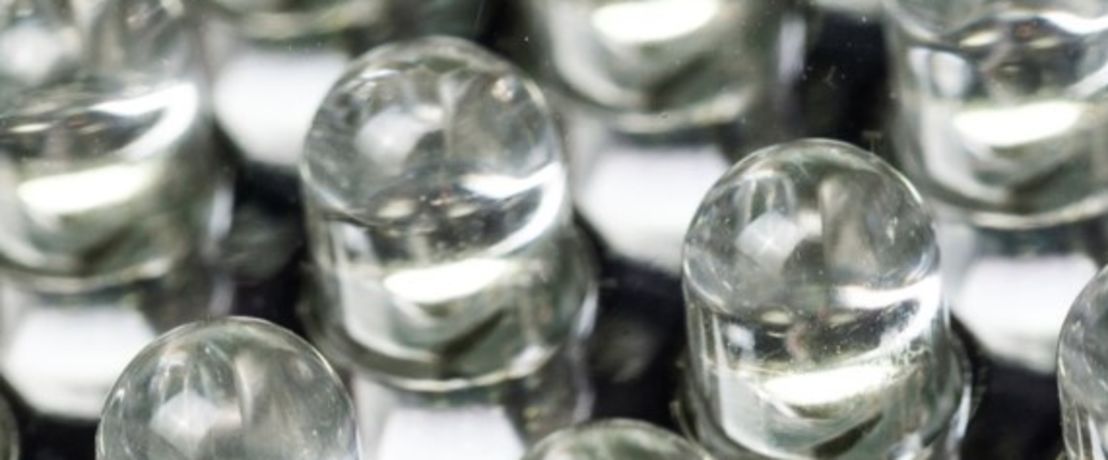
What is an Epoxy?
An epoxy is a thermosetting polymer that possesses unique mechanical and resistance properties. The term epoxy can be used for [...]
Epoxy Applications
Epoxies thermally cured with dianhydrides can be utilized for a host of applications.
ADHESIVES
Epoxy ahesives are known for their tenacious bonding capabilities, and have been employed in the aerospace and automotive industries. Solvent-free epoxy adhesives exhibit durability, thermal- and chemical-resistance.
COATING POWDERS
Epoxy coating powders are ideal for electrical components where long term insulation under thermal and corrosive environments is required. Examples include bus bars, wire enamels and varnishes, and encapsulants.