


WELCOME TO DIANHYDRIDES.COM
Powered by Jayhawk Fine Chemicals Corporation
Your Guide to Dianhydride Selection and Use in Thermosets and Emerging Applications
Dianhydride chemistry is behind some of the most demanding materials in modern technology. From electronics and coatings to composites and engineered plastics, these compounds enable polymers to perform reliably under heat, electrical stress, and harsh service conditions, where failure isn’t an option.
The story begins in the 1960s, when the rapidly expanding electronics industry pushed epoxy systems beyond conventional limits. Dianhydrides emerged as critical thermal curatives and soon after as essential building blocks for polyimides, enabling a new generation of materials with exceptional thermal stability under adverse conditions. What proved itself protecting sensitive electronic assemblies quickly earned a place in coatings, adhesives, and advanced composites where durability defines success.
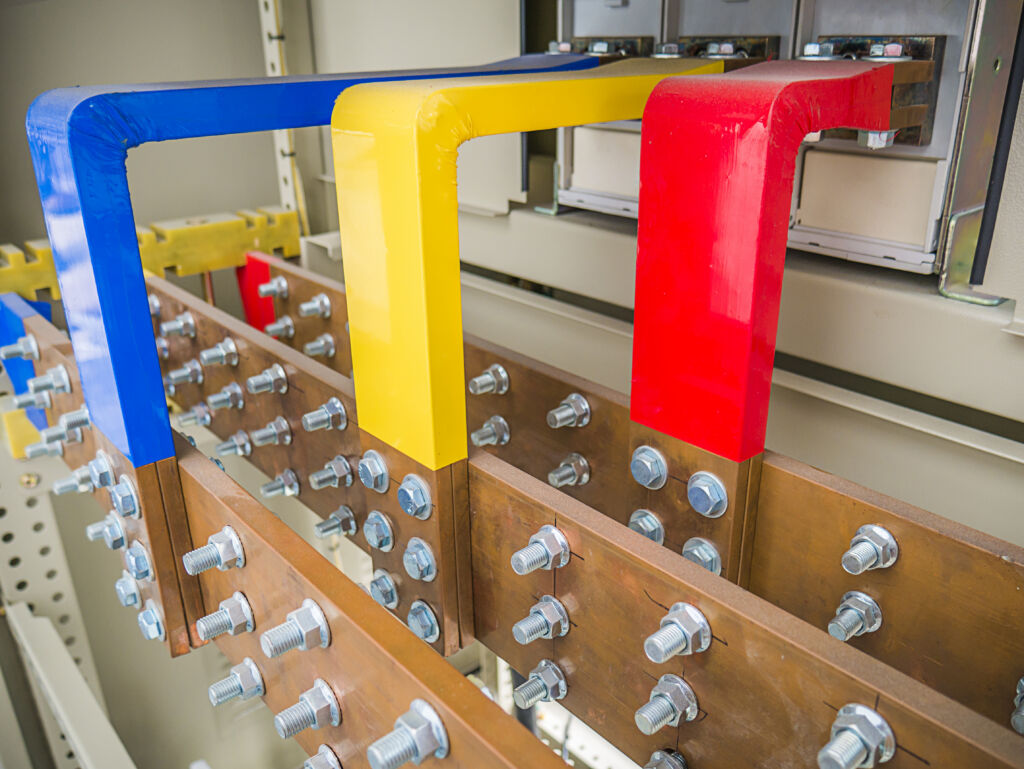

Fast-forward to today, dianhydride-based systems deliver precisely controlled high-temperature resistance, dielectric behavior, and environmental stability in applications ranging from electric vehicles to smartphones to aircraft engines. Their role continues to expand into wind energy, enabling lightweight PET foam cores, and recycling waste plastics into sustainable packaging.
READY TO ELEVATE YOUR NEXT PROJECT?
Connect with a Jayhawk expert to explore how dianhydride chemistry can deliver a competitive edge.
DIANHYDRIDE DIARY
Stay up to date with the latest information impacting the selection, use, and performance of dianhydrides and ancillary products in advanced composites, electronic components, recycled plastics, and emerging applications.